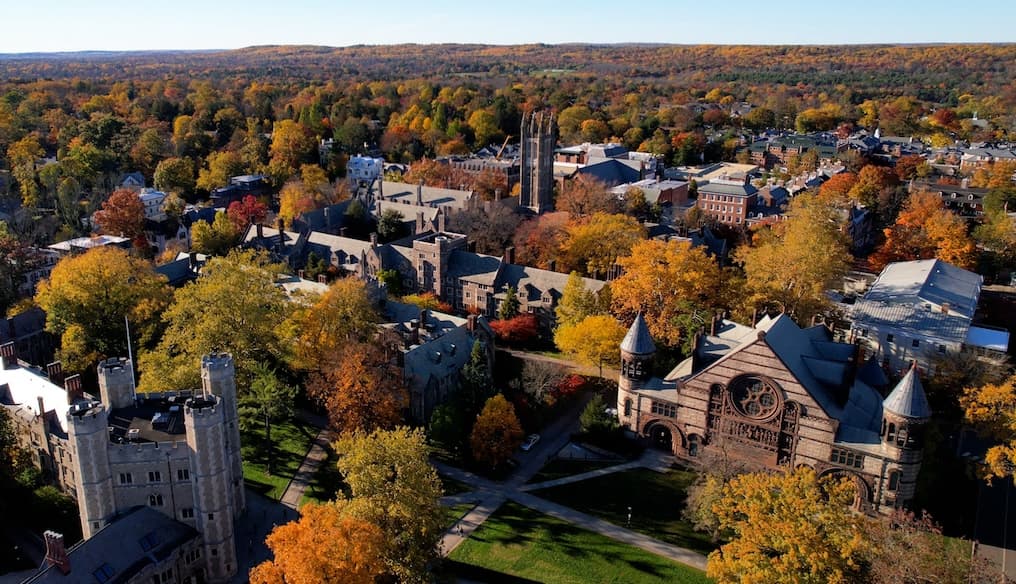
Reason.Discover.Invent.
We develop next-generation AI systems that reason, experiment, and accelerate scientific and engineering discovery.
Our mission is to shape the future of invention through agentic AI, rigorous mathematical foundations, efficient algorithms and broadly generalizable models.
News
LabOS AI-XR Highlighted in Jensen Huang's GTC DC 2025 Keynote
LabOS AI-XR co-scientist work was featured in NVIDIA CEO Jensen Huang's GTC DC 2025 keynote. The project is a collaboration between Stanford University, Princeton University (Mengdi Wang), NVIDIA, VITURE, and Nebius to bring AI agents, smart-glasses, and automation into real laboratories

AI Conquers the Physics Olympiad: Wang Mengdi's Team Creates Physics Supernova Agent
Professor Mengdi Wang's team at Princeton University has developed Physics Supernova, an AI system that achieved remarkable results at the 2025 International Physics Olympiad. The system scored 23.5 out of 30 points in theoretical questions, ranking 14th among all 406 participants and exceeding the average score of human gold medalists

Wang Mengdi's Team Launches TraceRL: Towards 'Unified RL' for Diffusion Language Models
Princeton University research team led by Professor Mengdi Wang proposed the TraceRL framework, enabling diffusion-based language models to outperform autoregressive models in mathematical reasoning. The 4B DLM model trained with TraceRL outperformed the 7B autoregressive model on multiple complex mathematical reasoning tasks

CRISPR-GPT Turns Novice Scientists into Gene Editing Experts
AI tool from Stanford, Princeton, and UC Berkeley enables first-time CRISPR users to achieve up to 90% editing efficiency. Led by Le Cong and Mengdi Wang, CRISPR-GPT guides researchers through every aspect of gene editing from start to finish
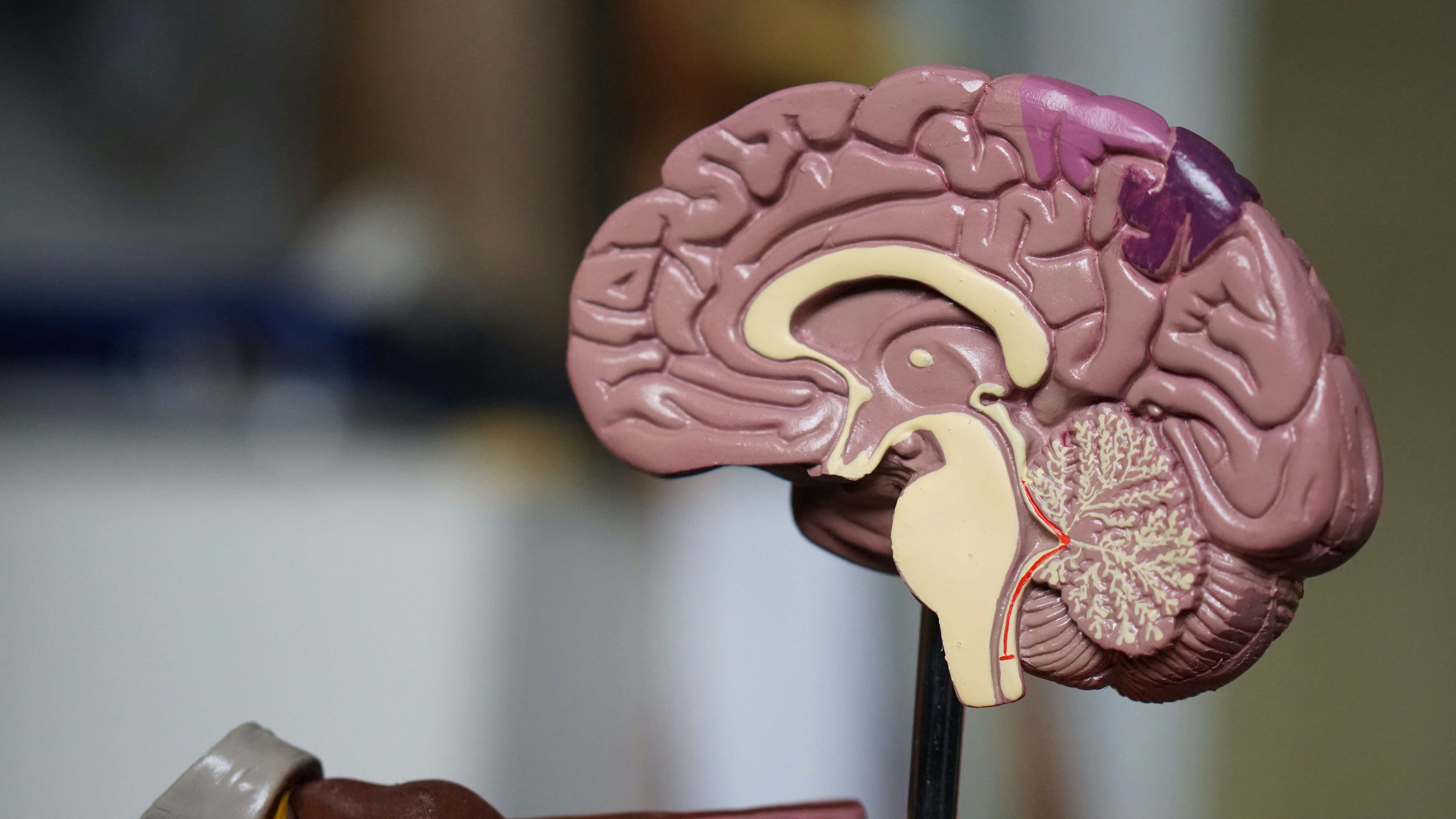
Princeton will lead U.S. effort to design better chips for wireless communication
Princeton receives nearly $10 million grant to lead AI-driven semiconductor design for wireless communication. Mengdi Wang contributes AI and machine learning expertise, using reinforcement learning and diffusion models to automate chip design and reduce costs

Minimalist AI Agent Alita Defeats Industry Giants in GAIA Competition
Princeton University's Alita AI agent has achieved a stunning victory in the prestigious GAIA benchmark competition, defeating systems from tech giants using a minimalist self-learning approach. Led by Professor Mengdi Wang's team, Alita demonstrates unprecedented capabilities in scalable agentic reasoning with minimal predefinition and maximal self-evolution

Built-in safeguards might stop AI from designing bioweapons
Mengdi Wang proposes protective measures that could be built into AI tools to block malicious uses or trace novel bioweapons. Wang developed 'FoldMark' which embeds digital patterns into AI-generated protein structures, allowing tracing of potentially harmful molecules
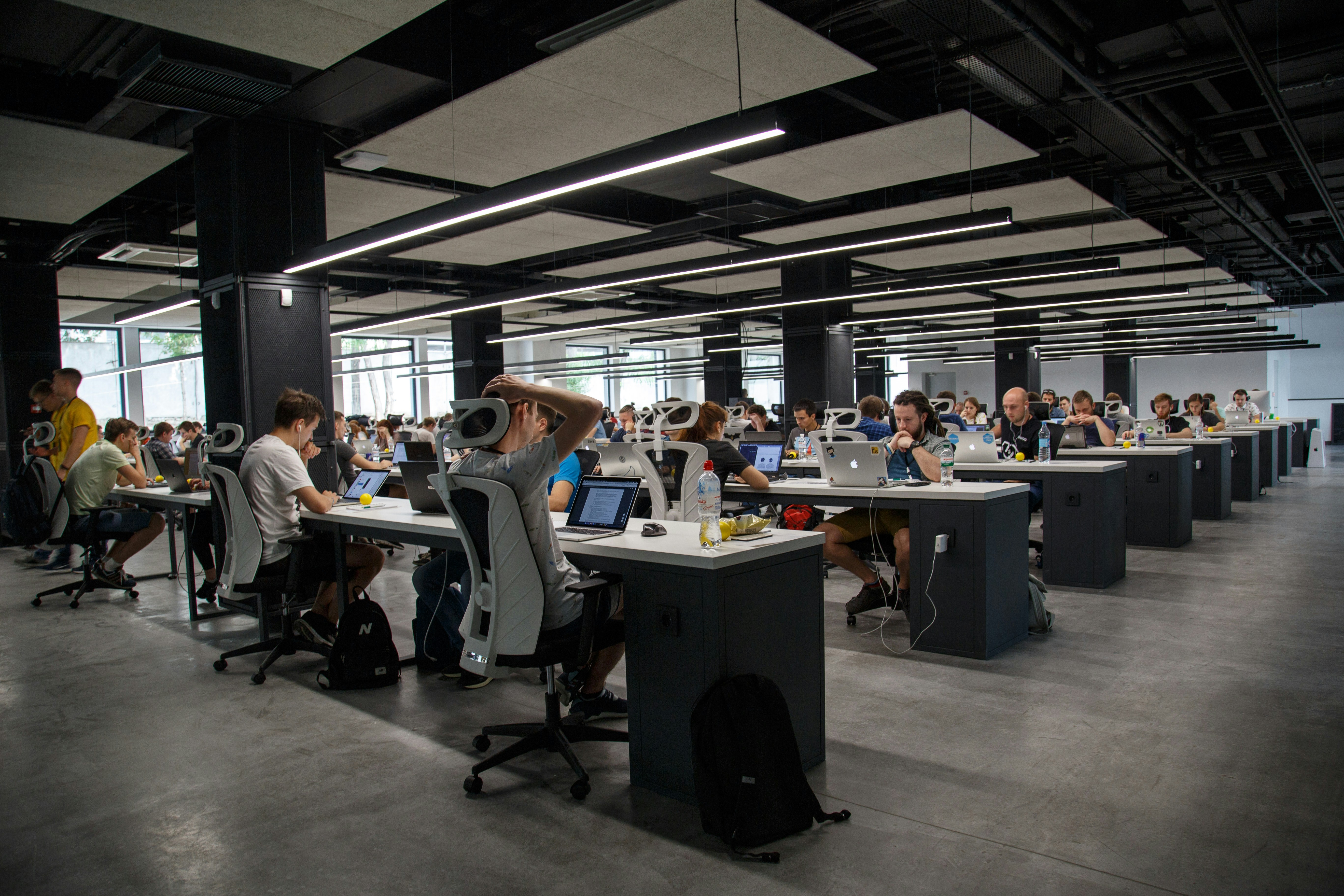
Global Thought Leaders Converge at NTU for IAS Frontiers Conference on AI
Professor Mengdi Wang joins world-leading AI researchers at NTU Singapore's inaugural IAS Frontiers Conference on Artificial Intelligence. The conference brings together experts from Oxford, UC Berkeley, Stanford, Princeton, EPFL, and OpenAI to discuss the future of AI research, innovation, and ethics